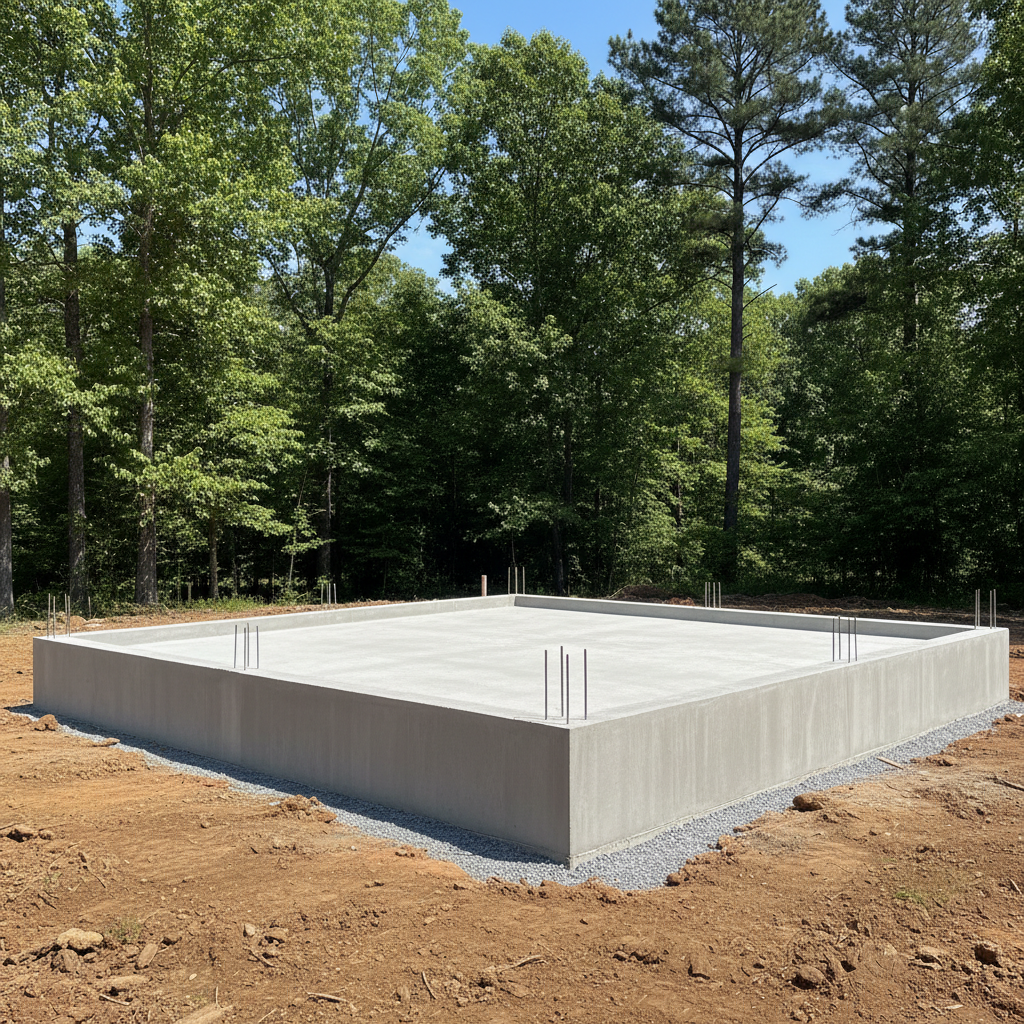
So, you're planning a new garage, maybe an addition, or even a whole new build, and a concrete foundation is on your list. That's a big deal, honestly. And it's where a lot of folks right here in Athens make mistakes that end up costing them time, money, and a ton of headaches later on. I've been pouring concrete around this town for years, and I've seen just about everything. Let's talk about what you really need to watch out for.
Mistake #1: Skipping the Soil Prep (or Not Knowing What's Underneath)
This is probably the biggest one, especially in a place like Athens with its crazy varied geology. We've got everything from solid granite bedrock in some spots to that notorious red clay that just loves to expand and contract with moisture. If your contractor isn't talking about soil compaction tests, proper grading, or even a geotechnical survey for bigger projects, that's a huge red flag. You just can't pour concrete on whatever's there and expect it to last. I've seen foundations crack way too early because the ground underneath wasn't stable. It's like building a house on quicksand. You wouldn't do that, would you?
Take Normaltown, for example. If you're building in an older neighborhood like that, you might be dealing with fill dirt that's been sitting there for decades. Or, you could hit solid rock. A good contractor, like us at Kingdom Concrete Athens, will check out the site thoroughly. We'll make sure the subgrade is properly compacted and stable before even one drop of concrete gets poured. It's not something we can skip if you want a foundation that actually lasts.
Mistake #2: Focusing Only on the Lowest Bid
Look, I get it. Everyone wants to save a few bucks. But when it comes to a foundation, the cheapest bid is almost never the best one. I've seen homeowners pick a contractor who's much cheaper than everyone else, only to discover they're cutting corners on materials, rebar, or even the concrete mix itself. Or worse, they don't have the right insurance or enough experience.
A low bid often means they're not including crucial steps like proper excavation, enough rebar, vapor barriers, or even the right amount of curing time. These aren't "extras"; they're absolutely essential for a strong, durable foundation. Ask for detailed quotes. Compare what's included, not just the final number. If one quote is drastically lower, ask them why. Don't be shy about digging into the details. A reputable contractor will be open about their process and costs.
Mistake #3: Not Checking References and Insurance
This might seem obvious, but you'd be surprised how many people just skip it. Before you sign anything, call their past clients. Ask about their experience. Was the crew professional? Did they stick to the timeline? Were there unexpected costs? And critically, ask to see their proof of insurance – both general liability and workers' compensation. If they can't show it, or if it's expired, just walk away. You really don't want to be liable if someone gets hurt on your property or if there's damage during the project. It's not just about covering their mistakes; it's about protecting you.
Mistake #4: Ignoring Drainage and Water Management
Water is concrete's enemy if it's not handled correctly around the foundation. I've seen perfectly good foundations ruined by bad drainage. If rainwater isn't directed away from your foundation, it can saturate the soil, leading to hydrostatic pressure, settlement, and cracks. This is especially true here in Athens, where we get some serious downpours. Think about the slope of your property, gutters, downspouts, and even French drains if you need them.
A good foundation contractor isn't just thinking about the pour; they're thinking about the long-term integrity, which absolutely includes how water will behave around the structure. Talk about drainage plans with your contractor. It's a small investment upfront that saves huge headaches and repair bills later on.
Mistake #5: Not Understanding the Contract
Don't just skim it and sign. Read every single line. Make sure it clearly spells out the scope of work, the materials they'll use (like concrete PSI, rebar size, and spacing), the project timeline, payment schedule, and any warranty information. If something isn't clear, ask for an explanation. If it's not in writing, it basically doesn't exist. This protects both you and the contractor and makes sure everyone is on the same page.
A foundation is literally the bedrock of your project. Don't rush it, don't cut corners, and don't just assume things. Do your homework, ask the tough questions, and pick a contractor who truly values quality and transparency. You'll be glad you did. Trust me.