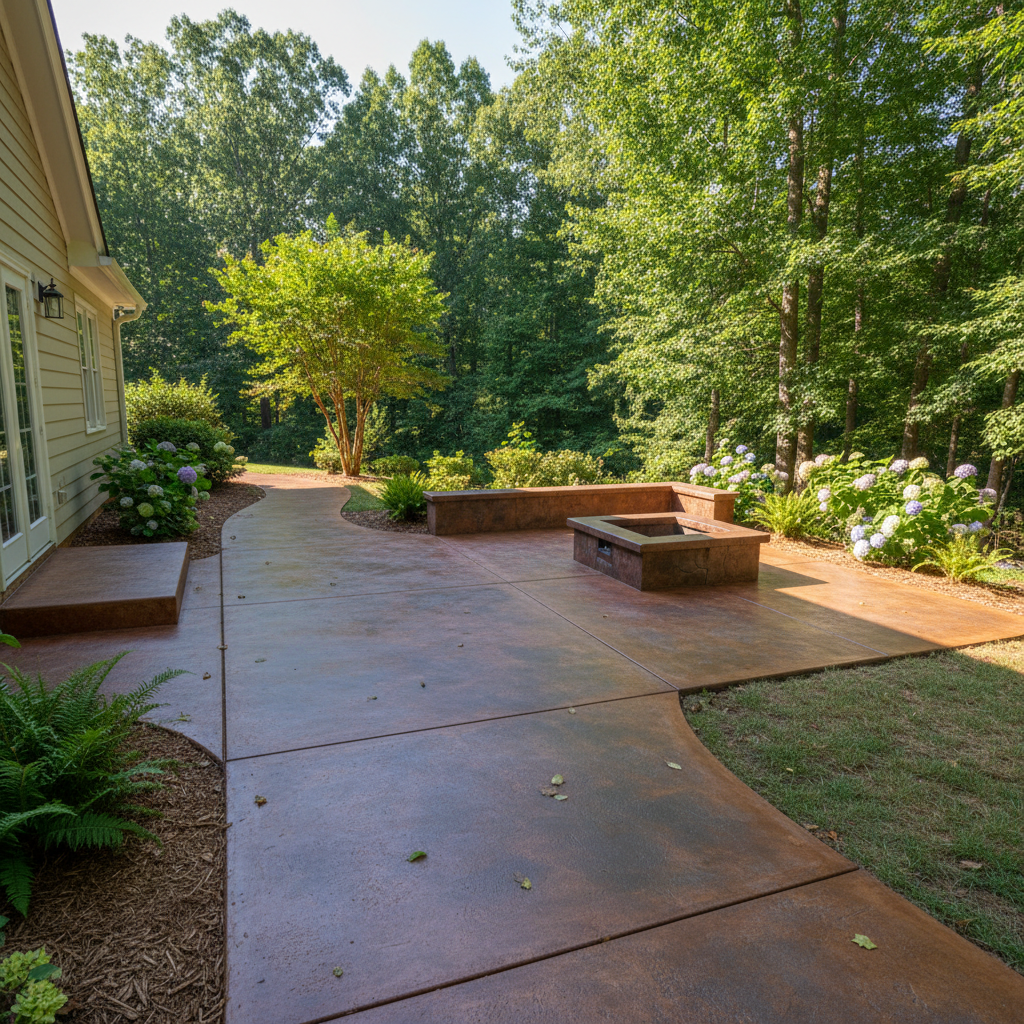
When's the Best Time to Stain Concrete in Athens?
So, you're eyeing that plain concrete patio or driveway, thinking a nice stain would really make it pop, huh? That's a smart move; staining can totally transform a space. But here in Athens, Georgia, you can't just pick any old weekend to get it done. Timing is everything if you want that stain to cure right and actually last for years.
Generally, I tell folks to aim for spring or fall. Think mild temperatures, usually somewhere between 50 and 80 degrees Fahrenheit, and low humidity. That sweet spot gives the concrete and the stain the best chance to bond without drying too fast or too slow. If it dries too fast, you might end up with uneven color or even cracks. Too slow, and you're looking at adhesion problems and a much longer wait before you can use the surface.
Summer's usually just too hot and humid for good staining. You might pull it off early in the morning or late in the evening, but you're really fighting the sun and the moisture in the air. That can mess with the stain's consistency and how well it soaks in. And winter? Forget about it. Those cold temps, especially when they dip below freezing, mean the stain won't cure at all. Plus, you've got to worry about moisture from rain or frost, which is a big no-no for a quality stain job.
Weather Conditions That Make or Break a Stain Job
Beyond just the season, the specific weather on the day of the job is super important. You're really looking for at least 2-3 dry days in a row, with stable temperatures. Rain, even a light drizzle, can ruin a fresh stain. It'll dilute the product, wash it away, or leave ugly water spots that are almost impossible to fix.
Humidity is another silent killer for concrete staining. When it's high, the concrete surface stays damp longer, stopping the stain from soaking in deeply and evenly. This is especially true for us here in the Southeast; our summers are famous for that thick, heavy air. You want the relative humidity below 70% if you can get it. Anything higher, and you're just asking for trouble, honestly.
Wind can also be a factor, though it's not as critical as temperature and moisture. Strong winds can make the stain dry too quickly on the surface, leading to uneven application or streaks. It also blows dust and debris onto your freshly stained surface, which you absolutely don't want. We always keep a close eye on the forecast for all these elements before we even think about starting a staining project at Kingdom Concrete Athens.
Protecting Your Stained Concrete Year-Round
So, you've put money into a beautiful stained concrete surface. Now you want to keep it looking great, right? Good news: stained concrete is pretty tough, but it's not invincible. A little year-round care goes a long way.
Sealing is a Must: After staining, we put down a high-quality sealer. This isn't just for shine; it's your concrete's armor against everything from UV rays to spills and foot traffic. Depending on the sealer type and how much abuse your concrete takes, you'll want to reapply it every 2-5 years. For outdoor surfaces exposed to our intense Georgia sun, like a patio in Five Points, you'll probably be on the shorter end of that spectrum.
Clean Regularly: Don't let dirt and grime build up. Sweep or blow off loose debris often. For a deeper clean, a mild detergent and water with a soft brush or mop usually do the trick. Just avoid harsh chemicals or abrasive cleaners; these can strip the sealer and even damage the stain itself.
Watch Out for Spills: Stained concrete is pretty resistant to stains (ironically, given the name), but it's not bulletproof. Oil, grease, rust, and strong chemicals can still leave marks if you let them sit. Clean up spills as quickly as possible. For tougher spots, a pH-neutral cleaner made specifically for concrete can help.
Protect from Heavy Stuff: While concrete is tough, dragging heavy furniture or equipment across it can scratch or gouge the surface, especially if it's not sealed right. Use felt pads under furniture legs and lift, don't drag, when moving heavy items. Makes sense, doesn't it?
Winter Care (Yes, Even in Athens): We don't get a ton of snow, but we do get freezes. If you have an outdoor stained surface, be careful with de-icing salts. Many de-icers contain chemicals that can damage sealers and even the concrete itself over time. Opt for sand or a concrete-safe de-icer if you need to prevent slips.
Taking these steps will make sure your stained concrete looks fantastic for years to come. It's all about protecting that initial investment and enjoying the beauty it adds to your Athens home.