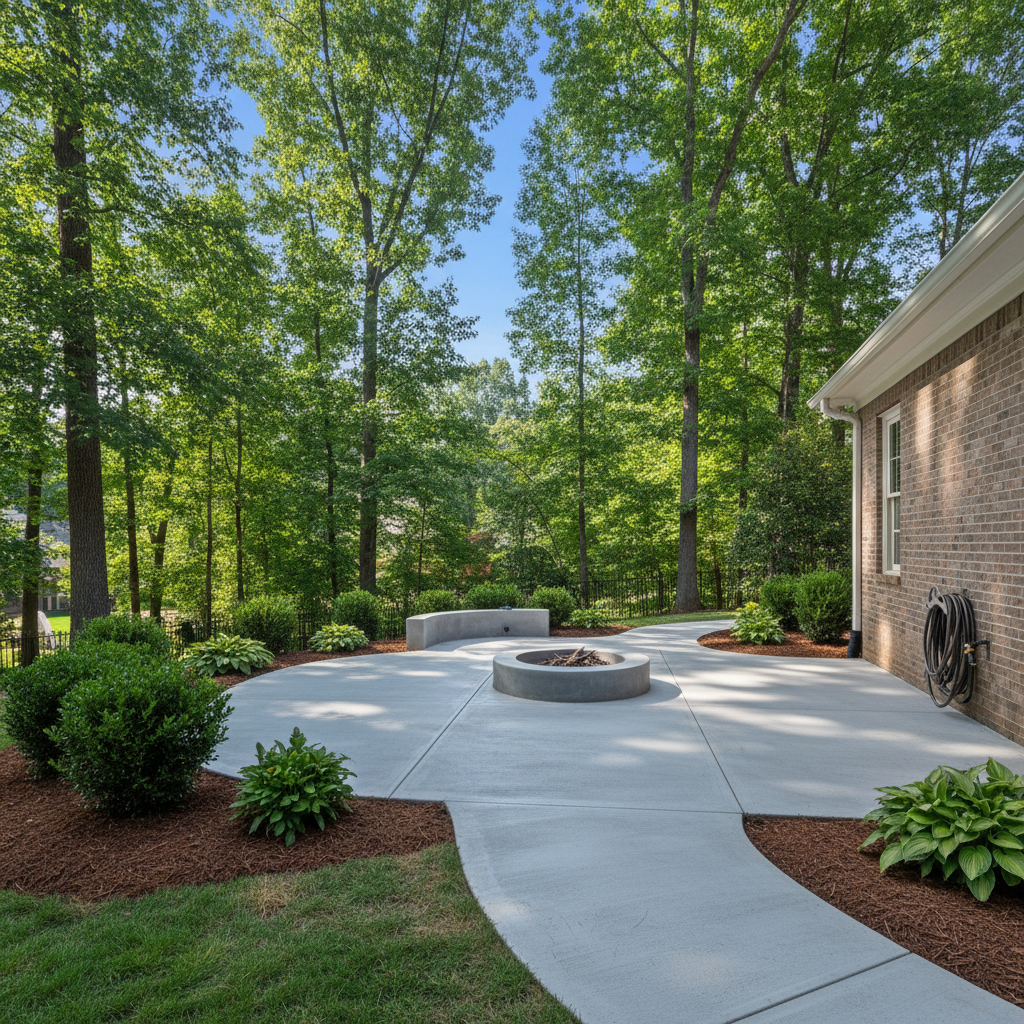
Thinking about a new concrete driveway, patio, or even a foundation right here in Athens? That's a smart move. Concrete really adds value and makes your home more useful. But if you want it to last, you can't just pick any old day to pour. The weather around here — especially the humidity and those sudden temperature swings — makes a huge difference.
When to Schedule Your Athens Concrete Project
Look, I've been doing this for a long time, and I've seen what works and what definitely doesn't. For concrete, timing is, well, almost everything. You really want mild, steady weather. That usually means spring and fall are your best bets here in Northeast Georgia.
- Spring (March-May): This is often perfect. You'll find moderate temperatures, usually in the 60s and 70s, and the ground isn't frozen solid. The concrete can cure slowly and evenly, which makes it much stronger. You do have to watch out for those April showers, though. We'll always keep a close eye on the forecast.
- Fall (September-November): Another great window. The scorching summer heat is gone, and you're not dealing with winter freezes yet. Again, consistent temperatures are super important for a good, strong cure. The air is generally drier too, which helps things along.
- Summer (June-August): We can absolutely pour concrete in the summer, but it does come with its own set of challenges. High heat makes concrete set faster, and that can lead to cracking if we don't manage it just right. We'll take extra steps, like adding retarders to the mix or using curing agents to slow down how fast it dries. It's more work, sure, but it's totally doable. Just know it's not the absolute "ideal" condition.
- Winter (December-February): This is the trickiest time, no doubt about it. Freezing temperatures are the enemy of freshly poured concrete. Water in the mix can freeze before it cures, expanding and causing some serious damage. We'd need to use special cold-weather mixes, insulating blankets, and sometimes even temporary enclosures with heaters. It adds to the cost and complexity, so unless it's an emergency, we usually suggest waiting until spring.
How Local Weather Conditions Affect Your Concrete
It's not just the temperature, you know? Here in Athens, we deal with a few specific things that really impact concrete:
- Humidity: High humidity, especially in summer, can slow down the initial drying, but it can also affect the final strength if we don't handle it right. On the flip side, very low humidity can make it dry too fast. We're always trying to find that balance.
- Rain: Obvious, right? You simply can't pour concrete in a downpour. It washes out the cement, weakens the mix, and can ruin the surface finish. A light drizzle might be okay with some protection, but heavy rain means rescheduling, period.
- Sudden Temperature Drops: This is a big deal. If we pour on a warm fall day and then it drops below freezing overnight, that fresh concrete is really at risk. We monitor forecasts closely and will always let you know about any concerns.
- Clay Soil: A lot of Athens, especially in older neighborhoods like Five Points or Normaltown, has expansive clay soil. This isn't directly about pouring, but it's why proper sub-base preparation and drainage are absolutely crucial for your concrete to last. Without it, the concrete can shift and crack over time because the soil moves.
Protecting Your Concrete Investment Year-Round
Once your concrete's in, you want it to last, right? Here's what I tell folks:
Curing is Critical: The first few days and weeks are the most important. We'll use curing compounds or keep it wet, depending on your project. Don't drive on it or put anything heavy on it too soon. We'll give you specific instructions for your job.
Sealing: I really can't stress this enough. A good quality sealer protects your concrete from moisture, stains, and even helps prevent freeze-thaw damage. I recommend sealing new concrete within a year of installation and then every 2-5 years after that, depending on how much traffic it gets and what it's exposed to. It's a small investment that really pays off.
Drainage: Make sure water drains away from your concrete, not towards it. Standing water is just asking for trouble, especially if it freezes. If you've got issues, we can definitely talk about solutions.
Avoid De-icing Salts: Most de-icing salts can damage concrete, especially in its first year. Use sand for traction if you need it, or look for concrete-safe alternatives. We don't get a ton of ice here, but when we do, be careful what you put down.
Getting your concrete project done right means truly understanding our local climate. At Kingdom Concrete Athens, we factor all this in to make sure your investment stands strong for years to come. Give us a call when you're ready to talk about your next project.