What's the difference between a slab foundation and a crawl space foundation?
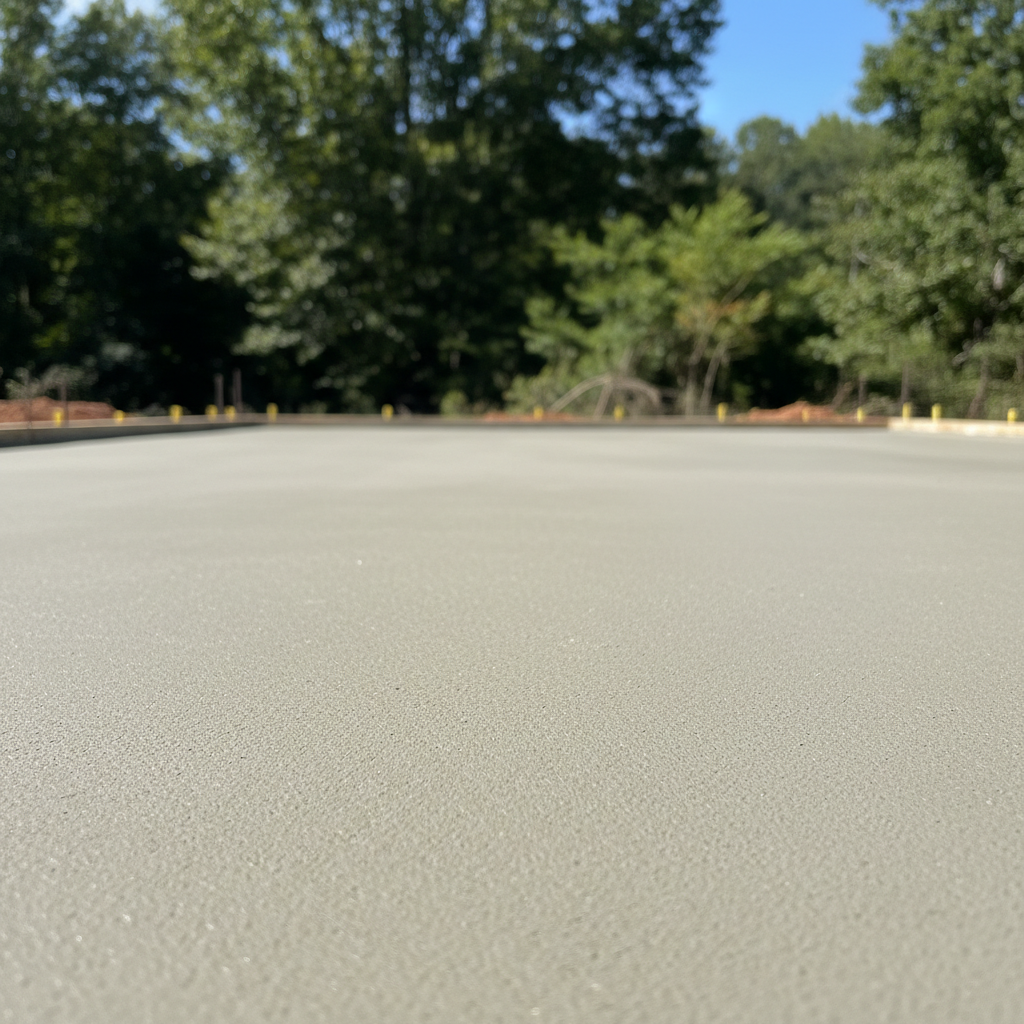
Alright, let's clear this up right off the bat, because it's usually one of the first big decisions you make when you're building a new place or adding onto an existing one. A slab foundation is pretty much what it sounds like: a thick, flat concrete slab poured directly onto the ground. We usually beef it up with rebar or wire mesh inside. Your house then sits right on top. These foundations are generally quicker to pour, cheaper upfront, and you won't have to fret about critters setting up shop underneath or pipes freezing in some unheated crawl space. The downside? If you ever run into plumbing issues under that slab, it's a real pain to fix; you'll be breaking up concrete, no doubt about it.
A crawl space foundation, on the other hand, lifts your house a few feet off the ground. It's supported by concrete footings and block walls, creating a space — usually two to four feet high — that you can, well, crawl into. This setup is fantastic for getting at plumbing, electrical, and HVAC systems for repairs or routine maintenance. Plus, running new ductwork is a breeze. It can cost more to build initially, and you absolutely have to make sure it's properly ventilated to avoid moisture problems. That's a huge deal here in humid Athens, by the way. We see plenty of older homes in Five Points and Normaltown with crawl spaces, and keeping them dry is key.
How long does a concrete foundation typically last?
A concrete foundation, built correctly from the get-go, can last an incredibly long time. We're talking 75 to 100 years, sometimes even longer. It's not at all unusual to spot foundations from the 1940s and 50s still doing their job perfectly fine. The secret? Good preparation: solid soil compaction, proper drainage, the right concrete mix, and rebar placed exactly where it needs to be. If you skimp on any of those steps, you'll start seeing problems much sooner — cracks, settling, all that unpleasant stuff. But when it's done by people who truly know their craft, like us at Kingdom Concrete Athens, it's built to last.
What causes cracks in a concrete foundation, and are they always serious?
Cracks are almost a given with concrete; it's just how the material behaves. Concrete shrinks as it cures, and that shrinkage can lead to tiny, hairline cracks. These are usually pretty superficial and not a big deal. We call them 'shrinkage cracks' or 'hairline cracks,' and they're often less than an eighth of an inch wide. You'll spot them in almost any slab or foundation out there.
What should really grab your attention are structural cracks. These are wider, often more than a quarter-inch, and might run horizontally, stair-step (especially common in block foundations), or be wider at one end than the other. They can signal soil settlement, hydrostatic pressure pushing against the foundation, or even shoddy construction. If you notice cracks that are growing, or if you can slip a dime into them, you absolutely need a professional to come take a look. Don't just ignore them, because they rarely get better on their own, do they?
How important is soil preparation before pouring a foundation?
It's absolutely, positively critical. I cannot emphasize this enough. The soil under your foundation is its backbone. If that backbone isn't stable, your foundation won't be stable either. We've got a lot of red clay around Athens, and while it can be good for building, you have to handle it correctly. You need to make sure the soil is properly compacted and graded. If you pour concrete over loose, poorly compacted soil, it's going to settle unevenly, and that's when you run into serious cracks and structural issues. We also have to ensure there's good drainage directing water away from the foundation. Water pooling around the base can weaken the soil and create hydrostatic pressure, which leads to big problems down the road. It's not just about the concrete mix; it's all about what's underneath it.
Can I pour a concrete foundation myself to save money?
Look, I appreciate a good DIY project as much as anyone, but a foundation? That's a whole different ballgame. This isn't just pouring a small patio slab, you know? A foundation is the actual base of your entire home. It demands precise measurements, proper excavation, a solid understanding of soil conditions, knowing how to set forms correctly, calculating the right concrete mix, ensuring proper rebar placement, and knowing how to pour and finish a large volume of concrete both correctly and quickly. There are building codes to meet, too. One mistake, and you're potentially looking at thousands, maybe even tens of thousands, of dollars in repairs later on, not to mention the safety risks. For something this important, you really need to bring in experienced professionals. It's an investment in your home's longevity and safety, not an area where you want to cut corners.
What's involved in repairing a damaged concrete foundation?
Foundation repair isn't a one-size-fits-all kind of deal; it truly depends on the specific type and severity of the damage. For minor, non-structural cracks, we might use epoxy injections or sealants to keep water out. If settling is the issue, we could be talking about underpinning, which means installing piers or piles beneath the existing foundation to support it on more stable soil. This can involve steel push piers, helical piers, or concrete piers. For bowing or leaning walls, particularly in block foundations, we might use carbon fiber straps or steel I-beams to stabilize them. Sometimes, if there's significant water damage or hydrostatic pressure, improving drainage around the foundation with French drains or proper grading becomes part of the solution. It always begins with a thorough inspection to pinpoint the root cause before we even start thinking about a fix.